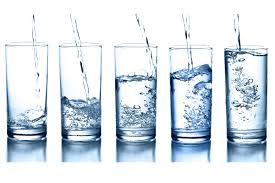
Hydration – The Basics
Only you can prevent dehydration
Hydration: Is it something more than a buzzword used by marketers of expensive sports drinks? We all know it’s important and necessary for human survival, but many of us don’t realize just how vital it is and just how dehydrated we are.
The most accurate way to describe hydration is balance. Being properly hydrated is a balance of water and electrolytes. It is imperative to know the ideal balance and how it affects your body, mind, and performance for the better.
Your body is made up of approximately 60% water. When you do not replace fluids that were lost during physical activity, for example, this is dehydrating you and throwing the balance off. Your body needs water to help blood carry oxygen and nutrients, regulate body temperature through sweat, and perform many other vital functions of your body. When you do not drink or consume enough water, you will be able to tell that your body is not right.
There are a few symptoms of dehydration that are especially problematic for track and cross-country athletes. Among these are dizziness, lightheadedness, headache, muscle cramps, and swollen feet. If you experience these frequently but could never figure out why, it might be because of dehydration. West Texas is such a dry area. Not only is it hot, but it is also windy, and the air is dry. The winter is no better. The temperatures drop, and the air becomes drier with the wind. That’s why this is a good time to discuss hydration as we go into this exciting track season.
Is there a certain amount of water I should drink? The first piece of advice I’d like to offer in response to this question is that you should not follow a strict rule on this. Be flexible. It is a necessary skill for athletes to be able to feel out their bodies. Know how much water makes you feel your best. It’s okay to experiment on yourself to find the balance. If you are an active individual who weighs less than 100 lb, start with 64 to 80 oz of fluids per day, for 100-150 lb, try 80-120 oz, and if you are 150-200 lb, you will need even more. Feel it out. How do you feel before your workouts? After? You can then add fluid or take it away based on that. You also need to be adjusting based on the weather, time spent working out in the sun, and diet (for example, amount of water and electrolyte-rich foods consumed). You might have to try something different every day to find the balance. Keeping track of the fluids you drink can help you be aware of dehydration. Water isn’t the only fluid that counts toward your hydration. Electrolyte drinks count too, and if the total is less than 8 oz, coffee and tea can count towards your total. Any water-based drink can hydrate you, although watch out for the sugar and calories that can come with some electrolyte drinks.
Electrolytes are charged particles your body needs for balancing the amount of water in your body, balancing your PH in blood, moving nutrients into cells, moving waste out of cells, supporting muscle and nerve functions, keeping heart rate and rhythm steady, and keeping blood pressure stable. These small particles do a lot, and that is why it is important to make sure you have them in your body.
Sodium, potassium, chloride, magnesium, calcium, phosphate, phosphorus, and bicarbonate are some of the most important electrolytes your body needs to thrive. We mostly get our electrolytes from the food we eat, but our bodies need water to process them. Sports drinks such as Gatorade, LiquidIV, and Tailwind can be helpful supplements, but it is also important to make sure you are eating electrolyte-rich foods as well. Try eating those foods. Bananas, beet greens, white beans, avocado, salmon, potatoes, and milk all contain potassium. Sodium-rich foods are: dill pickles, cheese, and anything that is salty. Roasted, salted nuts (you can find some without all those bad oils, or you can easily make your own!) are a great post-workout snack. You can get magnesium from spinach, pumpkin seeds, lima beans, tuna, brown rice, and almonds. Watermelon is also a good choice because it is high in water and electrolytes. Dried fruit (and, yes, you can find some that doesn’t have added sugar) is also an electrolyte food. Find what you like, experiment, and eat those electrolytes!
If you still feel that you are not getting enough electrolytes, you can use electrolyte drinks as a supplement. When finding an electrolyte drink, consider:
- Cost
- Amount of added sugar
- Electrolyte content
After some research, I’ve found that Gatorade is not a very effective electrolyte supplement because it does not have enough electrolytes to justify the amount of added sugar. Gatorade is basically a fruit punch sugar drink under sports labeling! That’s why it’s important to do research to find the most effective and cost-effective option. I prefer Liquid IV. It has 10 grams of added sugar per serving, and it is pricy, but it is easy to drink, and it has high electrolyte content. When it comes to electrolyte drinks, there are many options. Sword, Liquid IV, Nom, U Can, and Tailwind are all options. Do some research!
This is a lot of information. Where should I start?
An exceptional place to start is to make a plan. If you are a parent, this can be an interesting, informative, and beneficial conversation to have with both your younger and older children. This is an advantageous exercise to go through, even if you are a child. The goal of this plan is to maximize your potential by starting with a basic necessity: water and electrolyte intake. When making your plan, consider these factors:
- Child’s weight, size, and age
- Time spent outdoors
- Time spent exercising
- Diet of a child; specifically amount of water or electrolyte-rich foods consumed.
- Weather (Temperature, wind, humidity. Remember, both hot and cold temperatures can lead to dehydration.)
Of course, these factors will change over time, which is why your plan will, too. It’s a substantial idea to start with a basic plan. I’ll use mine as an example.
I try to drink 80-90 ounces of fluid per day. That’s my personal minimum. How did I come up with that number? The answer is experimentation. When I first began to realize the importance of hydration, I decided to begin with a minimum of 64 ounces of fluid per day; however, when I realized that this was not enough for my body, I added a few ounces of fluid a day until I found that perfect amount of fluid that made me feel my best. Of course, I soon discovered that I needed to adjust some things for the weather and the difficulty of the physical activity I was participating in on each given day. For me to feel my best on a normal day of non-strenuous, recovery-type physical activity, I try to drink 80-90 ounces of fluids. If it is not extremely hot and dry, hot and humid, cold and dry, or windy, I don’t drink any extra supplemental electrolyte drinks. I will, however, eat electrolyte-rich foods to keep my levels in balance. On days with strenuous workouts, I may drink more than 80-90 ounces of fluid, depending on how I feel. Often, I will drink an electrolyte drink directly after the workout, along with some water. In addition, during those more strenuous days, I will intentionally eat electrolyte-rich foods. It also helps me to pay attention to my workout schedule, so I can know when I’m going to have a more strenuous workout, so I can plan my hydration ahead. Consider looking at the weather forecast the day before. Pay special attention to temperature, wind, and humidity. Plan your hydration accordingly.
Now that you have the tools, make that exceptional plan that works for you and that makes you feel your best. Get ready to go outside and enjoy the sun and the gift of movement, happy and hydrated.
And remember, only YOU can prevent dehydration.
Special thanks to my sources: Coach Melissa and the Mayo Clinic